A growing mentor in your pocket
You grow food now.
Growing food is more than keeping a plant alive. It is a chain of small, timed decisions, and every one you get right shows up in the basket. Vegardi is how you get them right.
Some of them run right here in the browser. Free, no account. And when the app opens, Founding Growers get all of it free.
v1 Built for hydroponic systems today. Soil is next. Tell me when it lands →
No account. No download. Your plant.
Do not take our word for it.
Make us prove it.
Two of Vegardi's tools run right here, in this browser. Not a demo and not a preview. The same answer the app would give you, on your plant, right now.
The Plant Doctor
- 1
The photo, and the four things it cannot show: which part, how fast it came on, what changed this week, what the plant is growing in.
- 2
Your crop and its stage cut 5,722 mapped symptom manifestations down to the few that can apply to a plant like yours, this week. The tempo and the change you reported cut them again.
- 3
It ranks what is left across 229 pests and diseases, then tests its own answer against the protocol. It commits to one cause, keeps the second worth ruling out, and grades how sure it is. When that grade is not high enough, it does not guess. It says so, and tells you what it needs to see.
- 4
What it is, in plain words. How confident it is, and what else to check. What to do today and what to do this week, dated onto your calendar. Gardi keeps the case open for the questions that come after: is the plant beside it at risk, is what is already on it still safe to eat.
The Garden Check-Up
- 1
A few wide shots of the whole garden. What you grow in, and how far along it is. The same photograph means different things in a bed and under cover.
- 2
It reads the garden the way an agronomist walks it: canopy, crowding, airflow, light falling short, the first pressure of a pest. The things that do not look like anything yet.
- 3
Every finding is weighed against 56 growing procedures and placed in one of two piles: what is coming, and what is costing you harvest right now. A finding with no consequence is not a finding.
- 4
Both piles, in plain words, each finding carrying the procedure that closes it. Dated steps you can start today, not a warning to worry about. And when the garden is genuinely clean, it tells you that instead of inventing something to fix.
A season has moments.
Vegardi is at every one.
These are the tools you will use most, filed under the moment you need them. Open a stage to see what runs inside. They all work one garden, so each knows what the others did.
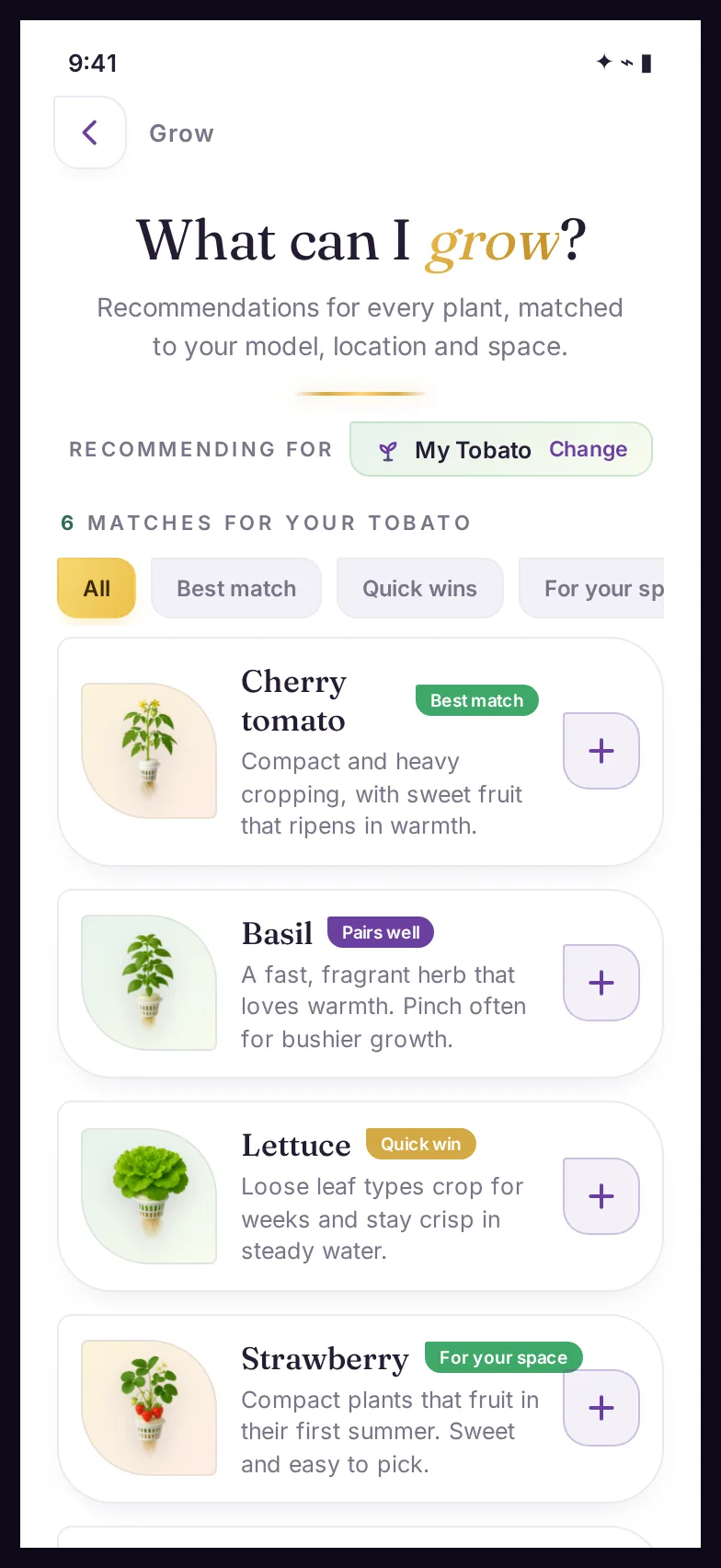
What Can I Grow
Ranks what will actually grow in your conditions, and tells you what will not.
- Ranked, with the reason for each pick.
- Filter by what you are after: quick wins, plants that grow well together, or the ones best suited to your system.
- Choose one, and it goes straight onto your planting map.
Planting Map
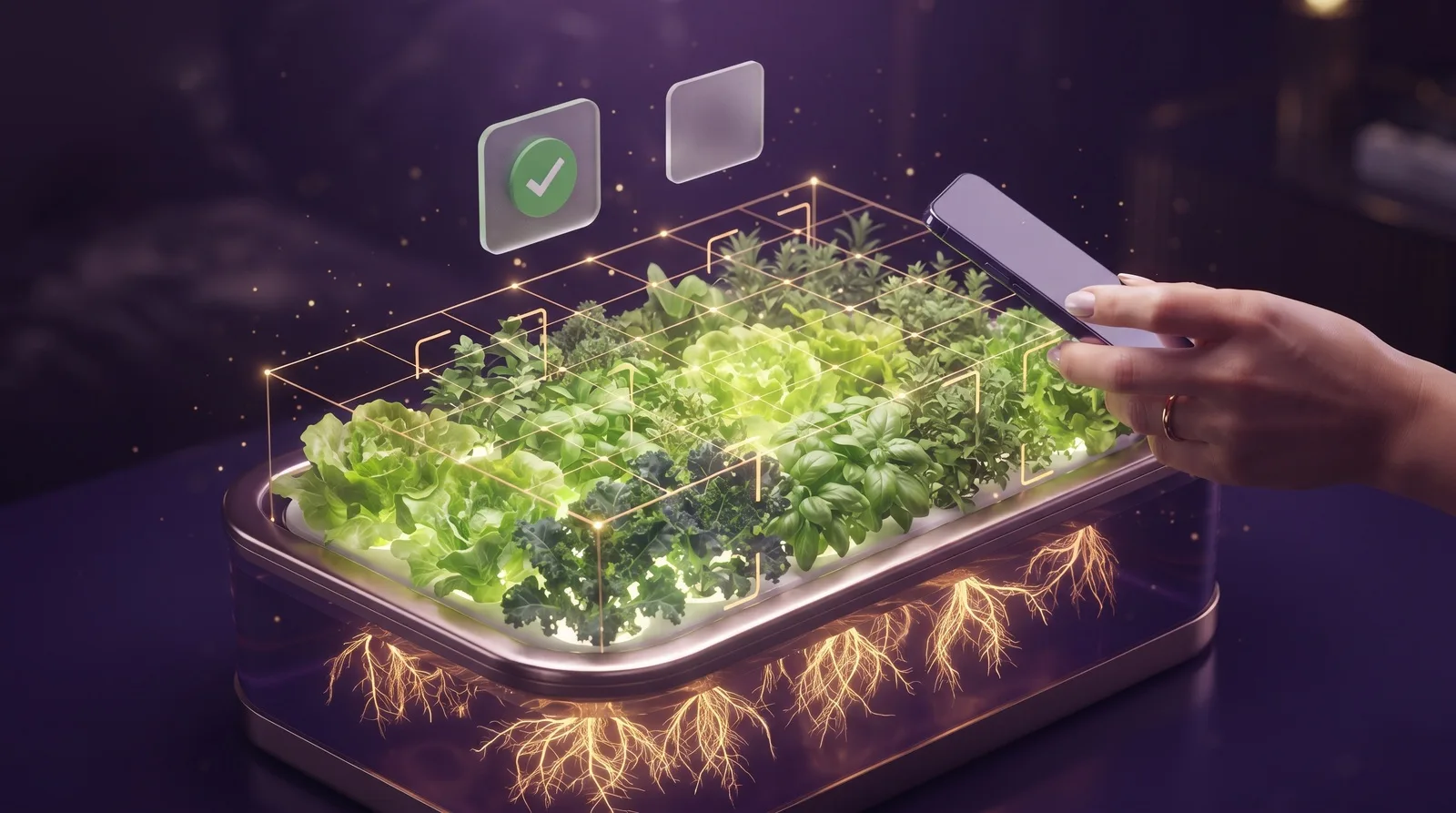
What is planted where, so every plant keeps its own exact record: what it is, when it went in, and everything that happened to it since.
What it does- The app is the garden, slot for slot. A3 in the app is A3 in front of you.
- Always know what you planted, and where.
- Plant in a few taps, a whole crop across several slots at once. Move one between slots in a single tap.
- Everything about a plant in one tap. Its variety, its stage, its readings, its history, its photos.
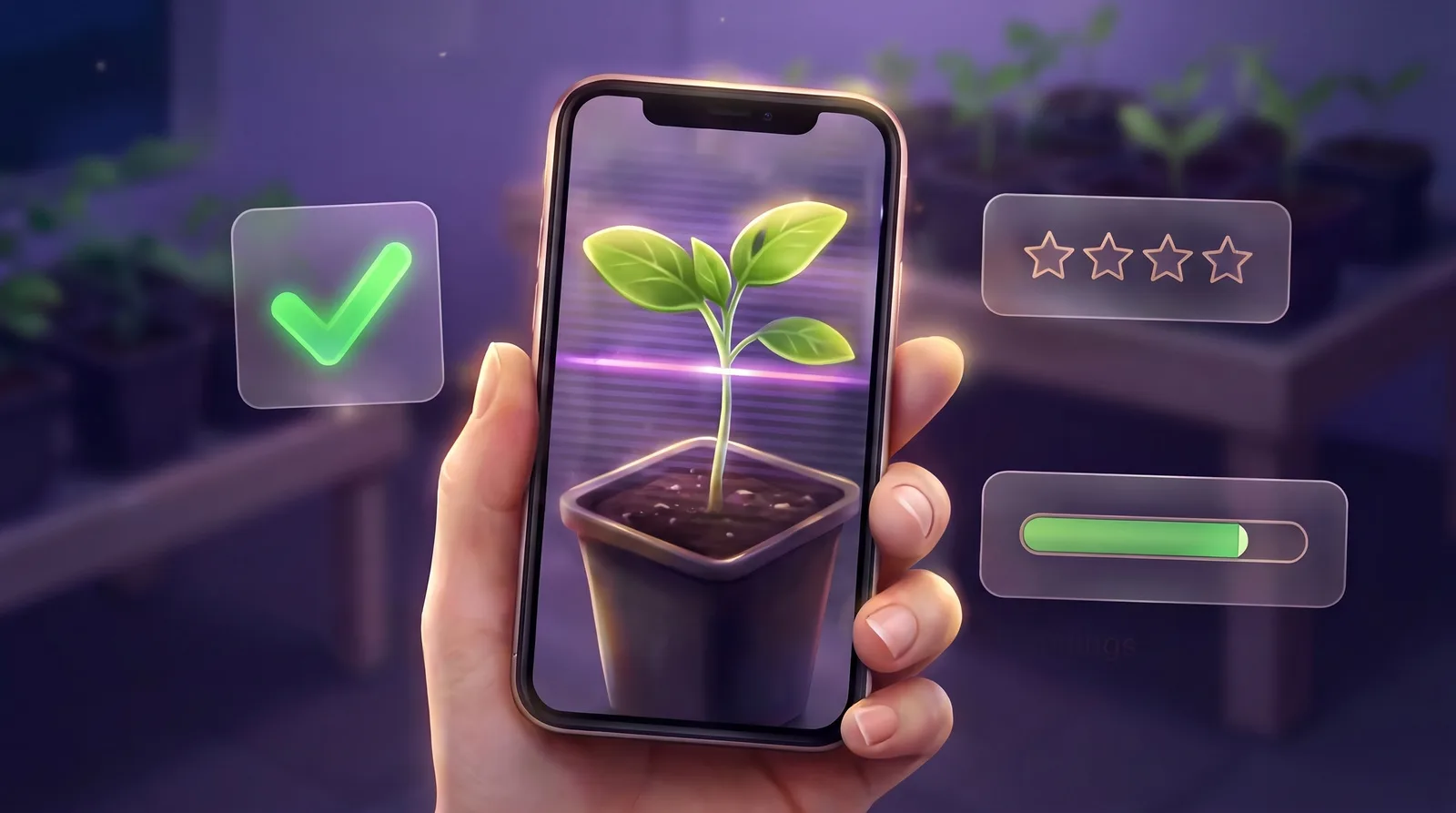
Buy Scan
At the nursery, it tells you which seedlings are worth taking home.
What it does- Names the plant, so you know what you are buying.
- Reads its health and its size for its age, and gives you a verdict.
- What you buy is kept, and goes onto your planting map.
- The plant starts its life in the app the day you buy it.
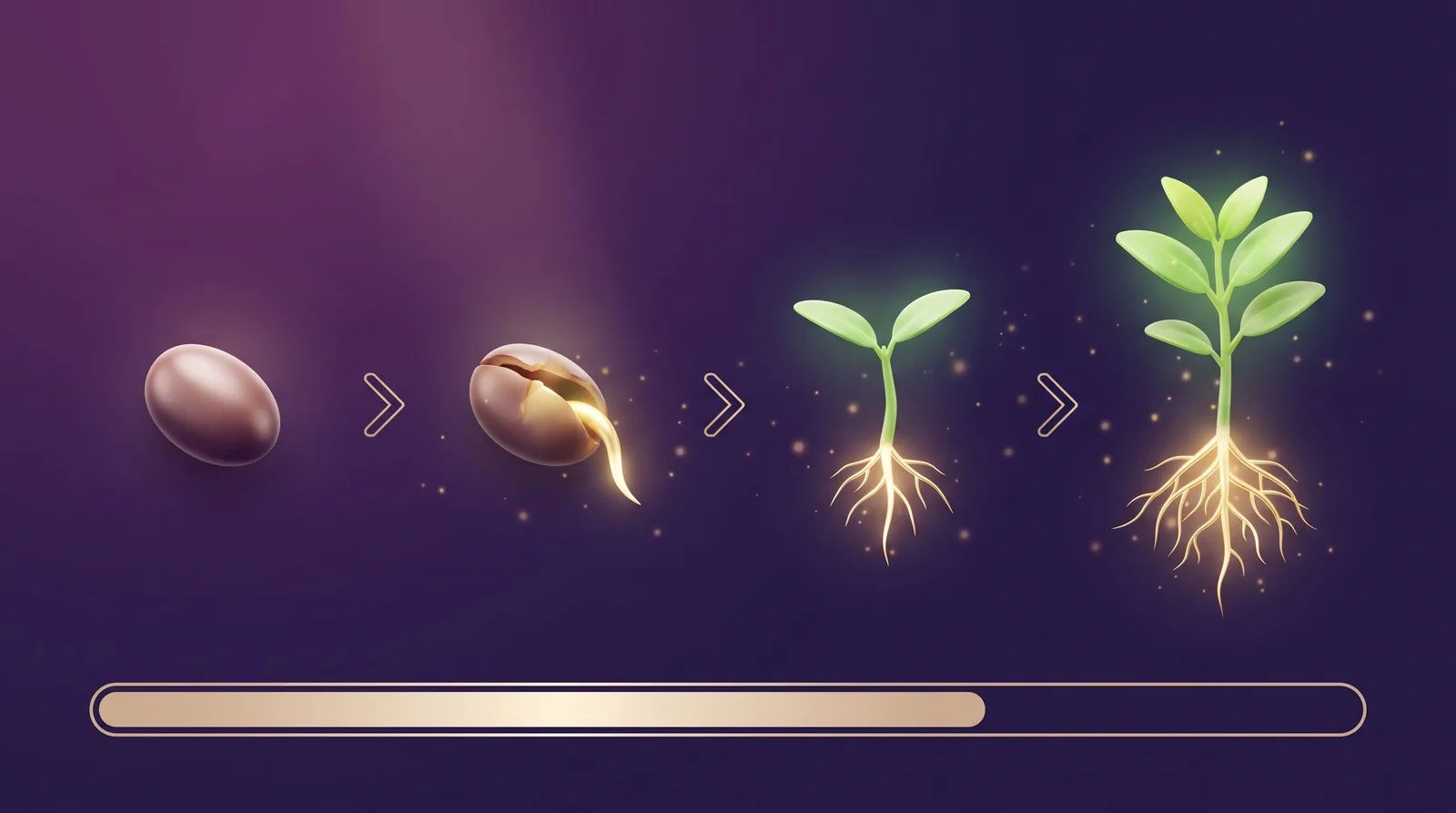
Seed Starter
Sow it here the day you sow it for real. It tells you how, holds the pace, and follows that seed into the garden.
What it does- What to sow, when, at what depth, in what medium, and what you need to hand.
- The tray goes into the app as you fill it, so the seed has a record from day zero.
- It holds the pace your crop should be keeping, and when nothing comes up it tells you what to change.
- What comes up moves into its slot in the garden, and its record carries on with it.
Not a reminder. The whole job.
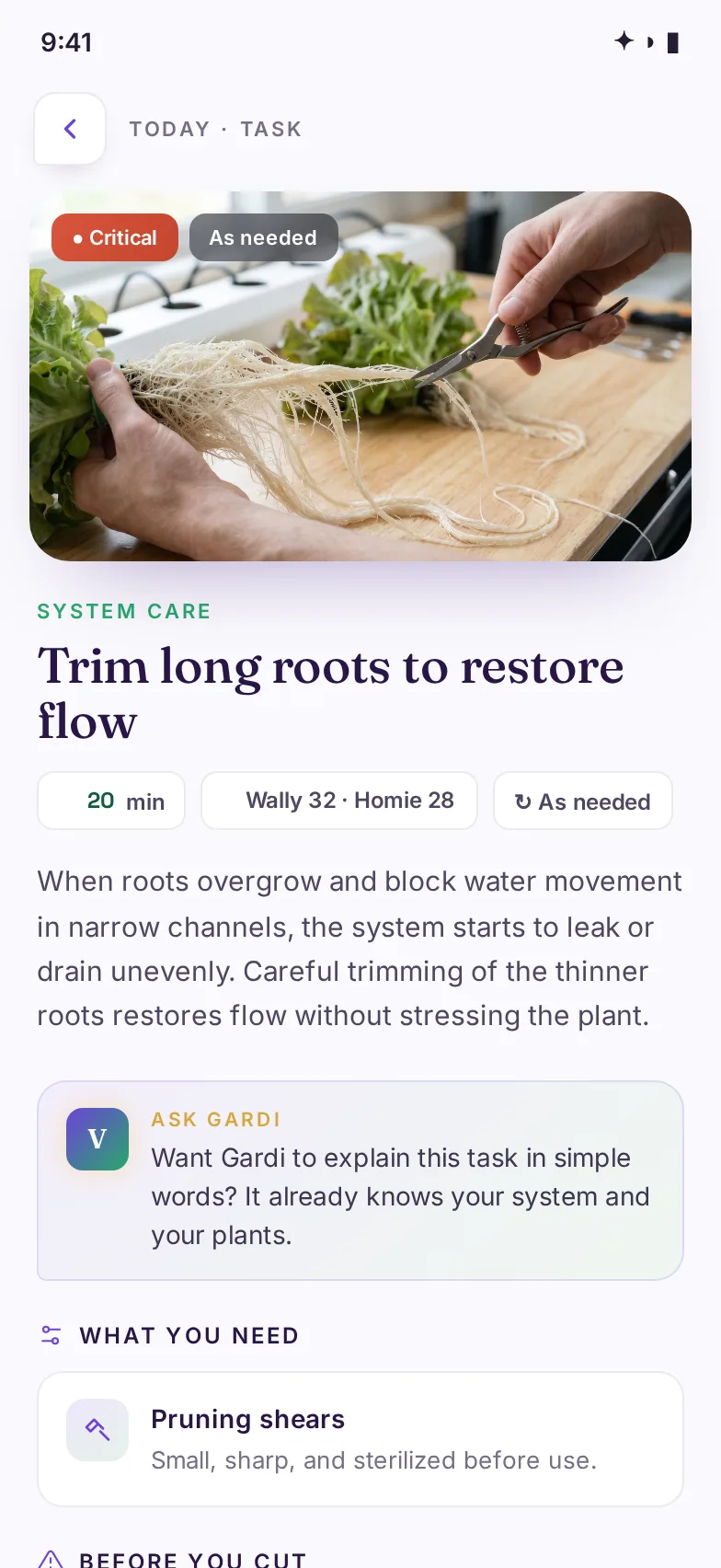
The right action, at the right time, with everything needed to do it well inside the card. In practice:
- The tools, and how they should be. Named, with the condition each one needs to be in.
- Every step, with its own photograph, and a progress bar as you go.
- Safety notes, sorted: the real danger held apart from how to do it right.
- Ask Gardi, in the card. It already knows your system, your plants, their stage and your last readings.
- Every professional term opens to a plain-language explanation in a tap.
- It closes the loop. Three days after you finish, a check comes back to confirm it held.
You are not ticking off a chore. You are being shown how a professional does it, and why, in simple terms anyone can follow.
Shorten each long root by up to one third of its length. Never the primary roots.
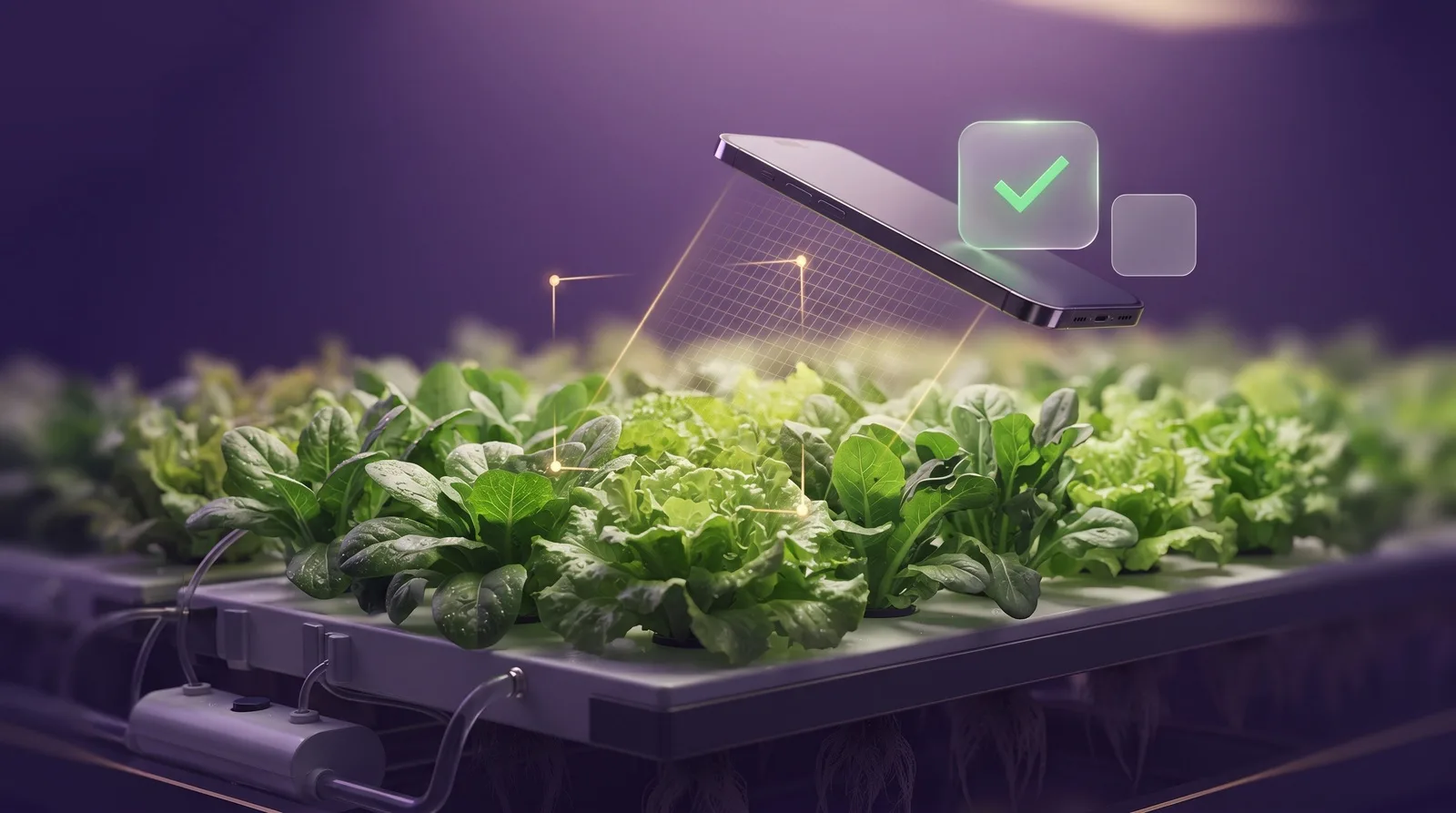
Garden Check-Up
Even in a week when everything looks fine: a few photos, and Gardi walks the whole garden. It comes back with findings, or with nothing.
What it does- It finds what is building before it shows: crowding, airflow, light falling short, early pest pressure.
- Two answers, every time: what is coming, and what is costing you harvest.
- Each finding arrives with its procedure and becomes a dated task.
- A clean garden is a real result, and it says so.
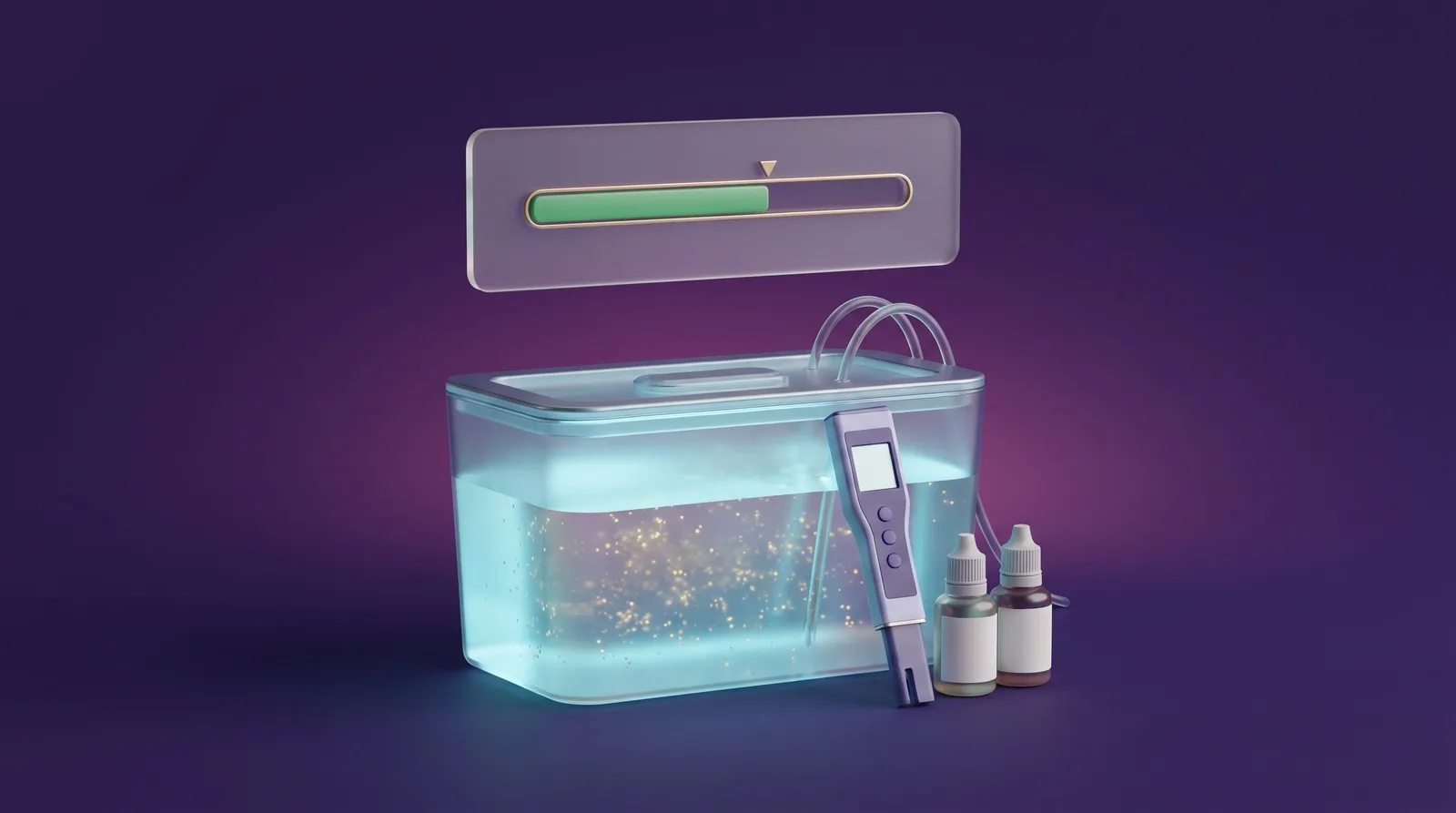
EC and pH
Always know how much to feed. Your target is set for the crops you have, averaged to suit all of them, and it moves as they grow.
What it doesNew to it? A short guide walks you through taking the reading.
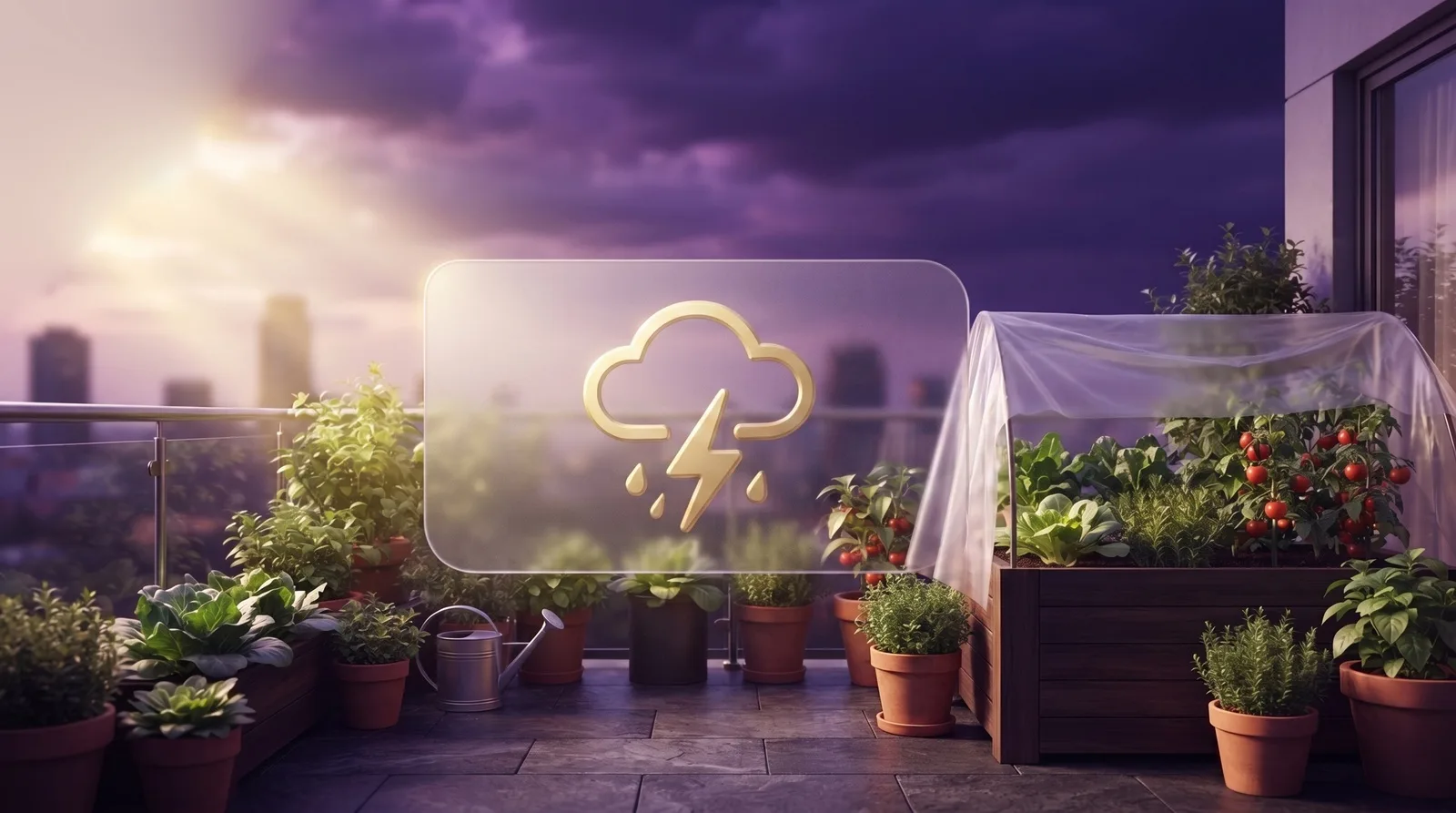
Weather Protocols
It sees the weather coming to where you grow, and tells you how to meet it.
What it does- Frost, heat, wind and storms, read for your exact location and hardiness zone, where your system actually stands.
- You hear about it as far ahead as the forecast allows: sometimes a day, sometimes a week. Something severe reaches you the moment it appears.
- Never just a warning. The steps come with it, written for the crops you have, and you decide what to run.
- When there is nothing to do, it stays quiet.
Harvest Check
When each crop is ready, and how to check it.
What it doesNobody tells you when. Wait a day too long and the fruit turns woody or bitter on the plant; pick early and you give up the size and the sweetness it had coming.
- The window is counted from your plant, not from a calendar.
- "It should be ready around now. Here is how to check."
- The ripeness cues for that crop, one by one.
- How to pick so the plant keeps producing.
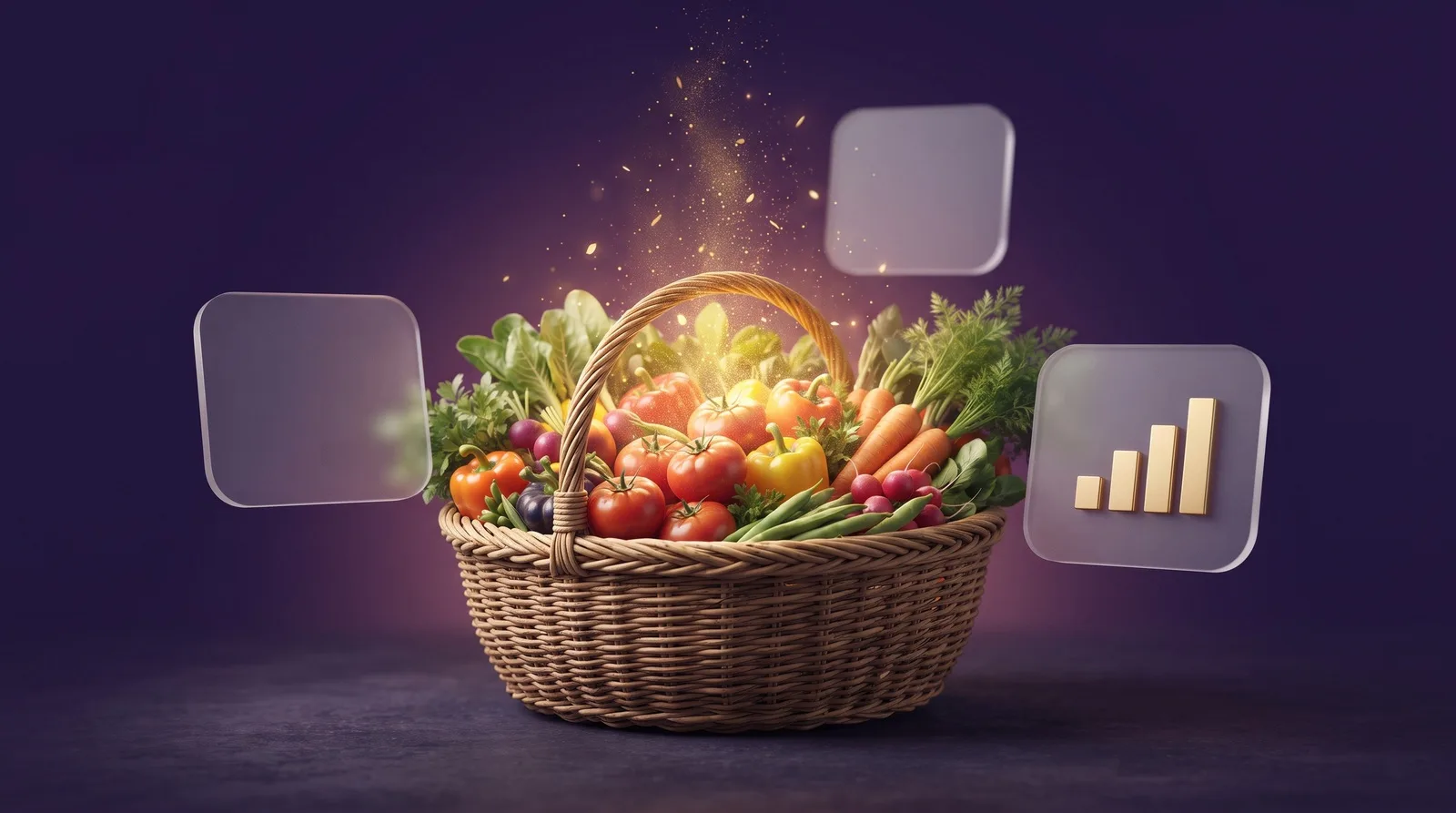
Harvest log
What the season actually produced.
What it does- Every pick, weighed and dated, against the plant it came from.
- Totals by crop and by system.
- 7 harvests. 2.4 kg. 68 days.
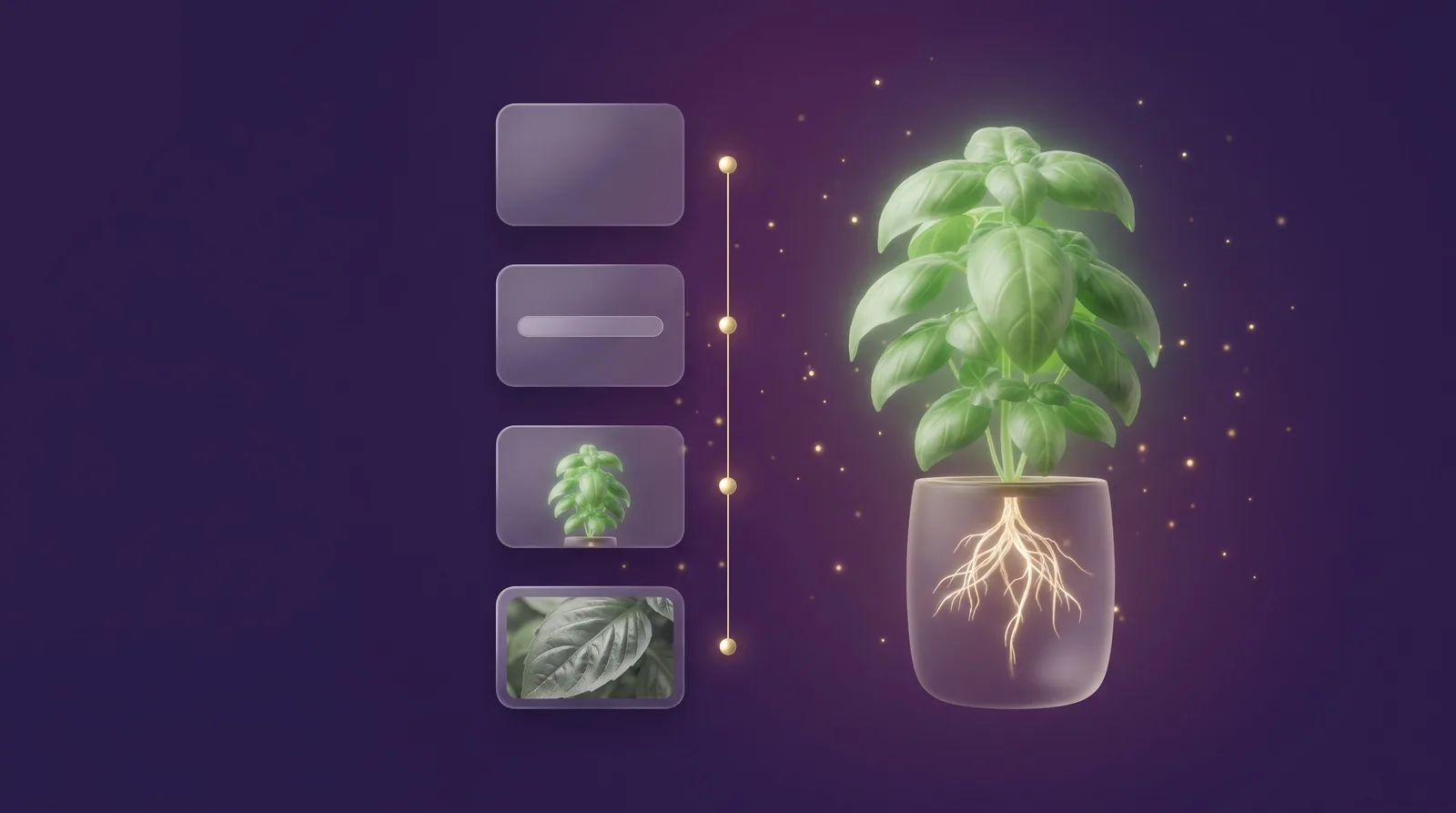
Plant Journal
Every reading, photo, diagnosis and conversation, kept against the plant it belongs to.
What it does- A full record per plant and per slot, in order.
- Every photo, every problem, and every action you took, across the plant’s whole life.
- So next season you can see what worked, and do it again.
Plant Doctor
Something is wrong, and for once someone looks at your plant like a professional would. A photo, a few questions, and a real answer about the plant in front of you, not ten articles about someone else's.
- Ranked across 5,722 mapped symptoms, narrowed to your crop, your stage, your system.
- It commits to one cause, and tells you how sure it is.
- The second condition worth ruling out, and how to tell them apart.
- When it cannot tell, it says so, and asks for what it needs to see.
- The treatment becomes dated tasks on your calendar.
- Ask the follow-up. Gardi already holds the case.

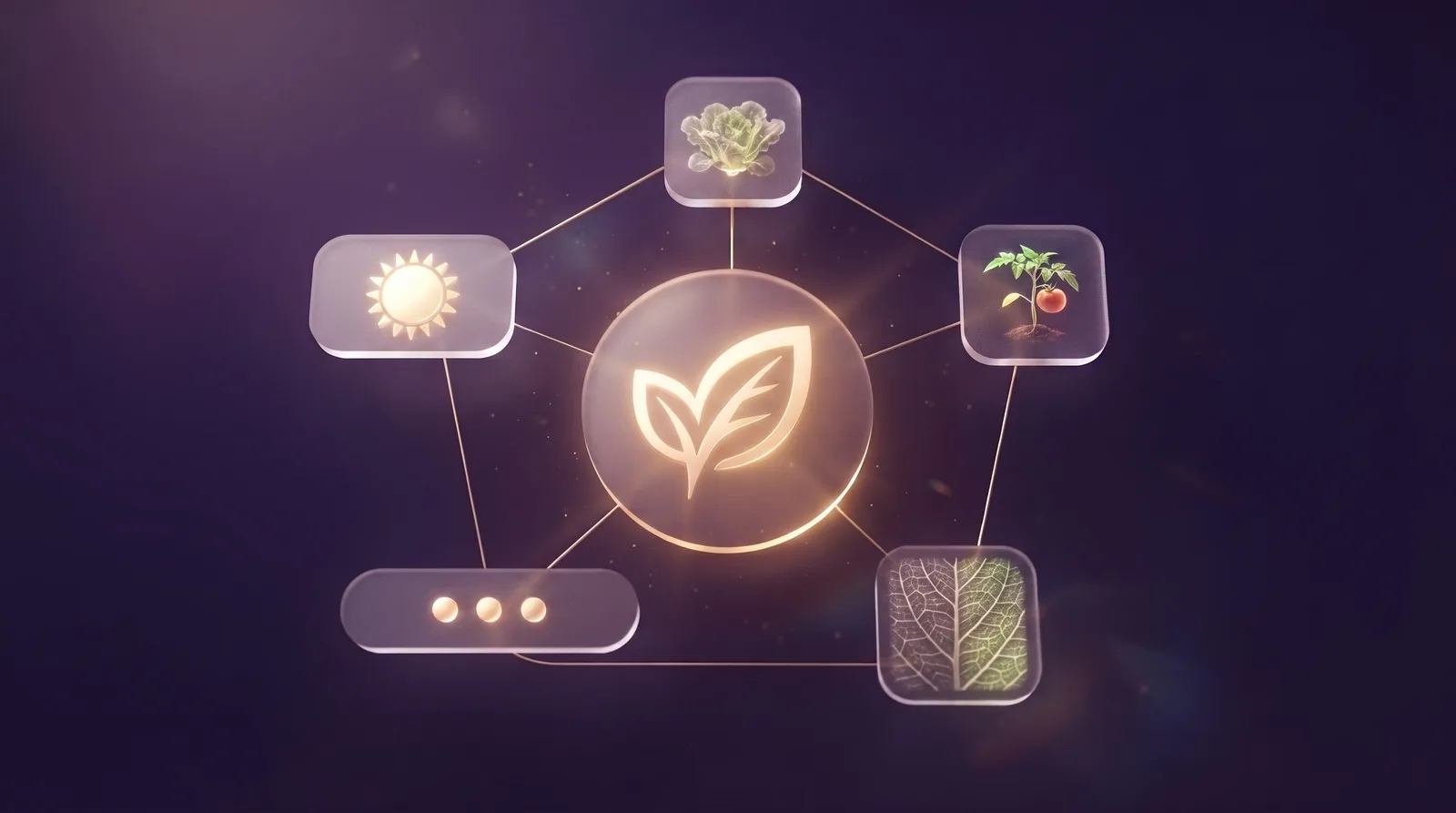
Gardi, your growing mentor
The professional who already knows your garden. Every plant, every system, every stage, and everything that has happened since. Awake at any hour.
What it does- Every answer already has your context in it: your system, your plants, their stage, your last readings.
- It remembers. What it told you a fortnight ago is still part of the conversation.
- Not sure what to ask? It offers the questions that fit your week.
- Any answer becomes a dated task in one tap.
- You never explain your garden first, and you never get a general answer about a plant instead of yours.
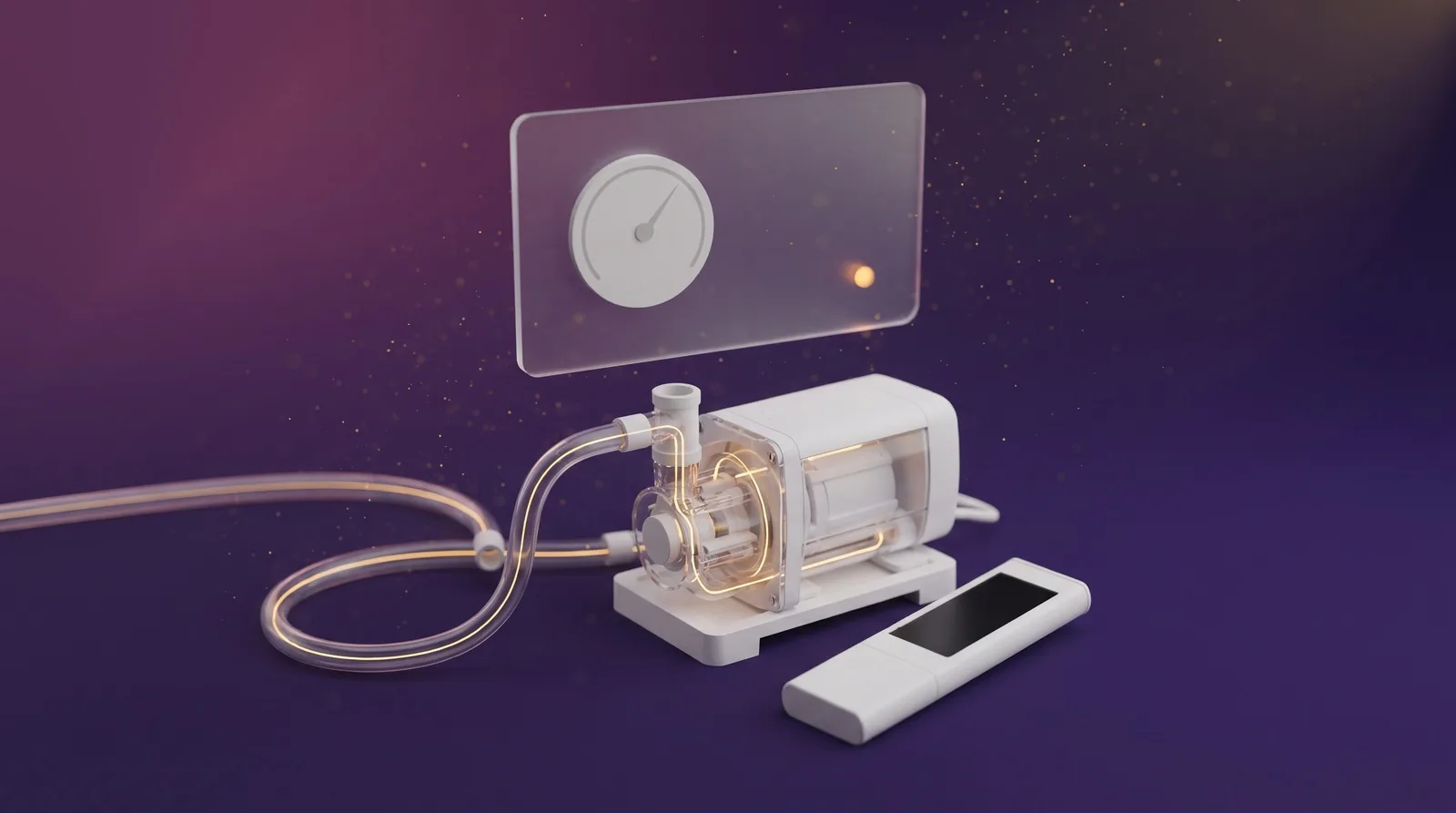
Technical Advisor
For the day the problem is the equipment, not the plant. No other app will sit with you for this one.
What it does- It knows the system you actually grow in, whether it is a model off the shelf or one you built yourself.
- It knows your growing method, and what tends to go wrong in that method specifically.
- A clogged dripper, a leak at a fitting, a pump that stopped: it walks you through finding it and fixing it.
- It knows the plants in there too, so the fix accounts for what it is holding.
- And when it cannot solve it, it tries to put you in front of someone who can.
Learn Hub
Teaches the thing you are about to need, in the week you need it.
What it does- A path that opens with your skill, not a library to browse.
- A lesson ends as a dated task, not a quiz score.
- Every unfamiliar term opens to a plain explanation, without leaving the app.
What is behind the answers
Mapped, verified agronomic knowledge. Not a general model guessing.
Measured 2026-09-22, and growing.
And it does not know everything. When it cannot tell, it tells you that instead.
Every answer carries its confidence level, and nobody pays us to recommend anything.
From growers, for growers
Why we built Vegardi
households planned to grow
a food garden this year.
Then the season happens.
Then somebody put a mentor beside the grower, and measured what happened.
were still growing a year later.
Not a reminder. Not a schedule. Someone who knew what they had planted, who was there when it went wrong, and who kept showing up.
This is why we made Vegardi.
Hardly anyone has a professional standing beside them in the garden. So we built one into the app.
The doors open this season.
Vegardi is new. The knowledge behind it took years; the app itself is weeks old. When it opens, Founding Growers use all of it, free.
What you get
Every paid feature, free for your first 3 months. A Founding Grower badge that stays on your profile. And after those 3 months, Founding Growers pay a reduced rate for one more year.
What we ask
Grow with it for real. When something breaks, confuses you, or works better than you expected, tell us. Founding feedback sets the order of what gets built and fixed next.
And one honest thing
It is new, and somewhere something will wobble. That is what the beta is for: what Founding Growers run into goes to the top of the list.
Plans
Premium is free for a Founding Grower's first 3 months.
Put your name down now and use everything Premium has to offer from the day it opens. Then tell us what you found: Founding Growers are shaping the future of growing food at home.
Basic
Everything a first system needs, free, for as long as you like.
Start growing
Explore the platform
- The full plant catalogue: 101 crops across 108 varieties, with complete growing data
- What Can I Grow: ranked for your system and your season
- Learn Hub: every guide, all of it
Grow your first system
- 1 active system
- Planting map and slot management, in full
- Your daily task list, in full, from 56 growing procedures
Diagnose and ask
- Plant Doctor: 5 scans a month
- Gardi: 5 conversations a month
Keep your record
- Nutrient and harvest log: the last 3 months
- Plant Journal: 5 plants, with recent history
Not in Basic
- Pump and system monitoring
- More than one system
- History beyond 3 months
Premium
Unlimited diagnosis, more of Gardi, live system monitoring, and your full history, kept.
For your first 3 months. After that, Founding Growers pay a reduced rate for one more year.
Get PremiumEverything in Basic, plus
- Plant Doctor: unlimited
- Gardi: 60 messages a month
- Up to 3 active systems
- Pump and system monitoring, with alerts that know how urgent it is for your system type
- Your full nutrient and harvest history, with no window on it
- Plant Journal: 100 plants and full history
When soil lands
- Weather and climate alerts for outdoor systems
- Frost and heat protocols, pushed while there is still time
- A growing calendar built on your microclimate
We keep on growing
The app tracks hydroponic systems today.
Soil is coming.
The soil version is in development now. Put your name down, and when its beta opens we will send you the update: come in as a Founding Grower, free, from day one.
Where this goes
You are going to be good at this.
The first ripe tomato. The morning check, coffee in hand. A kitchen that smells of basil.
Join now, and you join as a Founding Grower.
Launching 1 October on iOS and Android